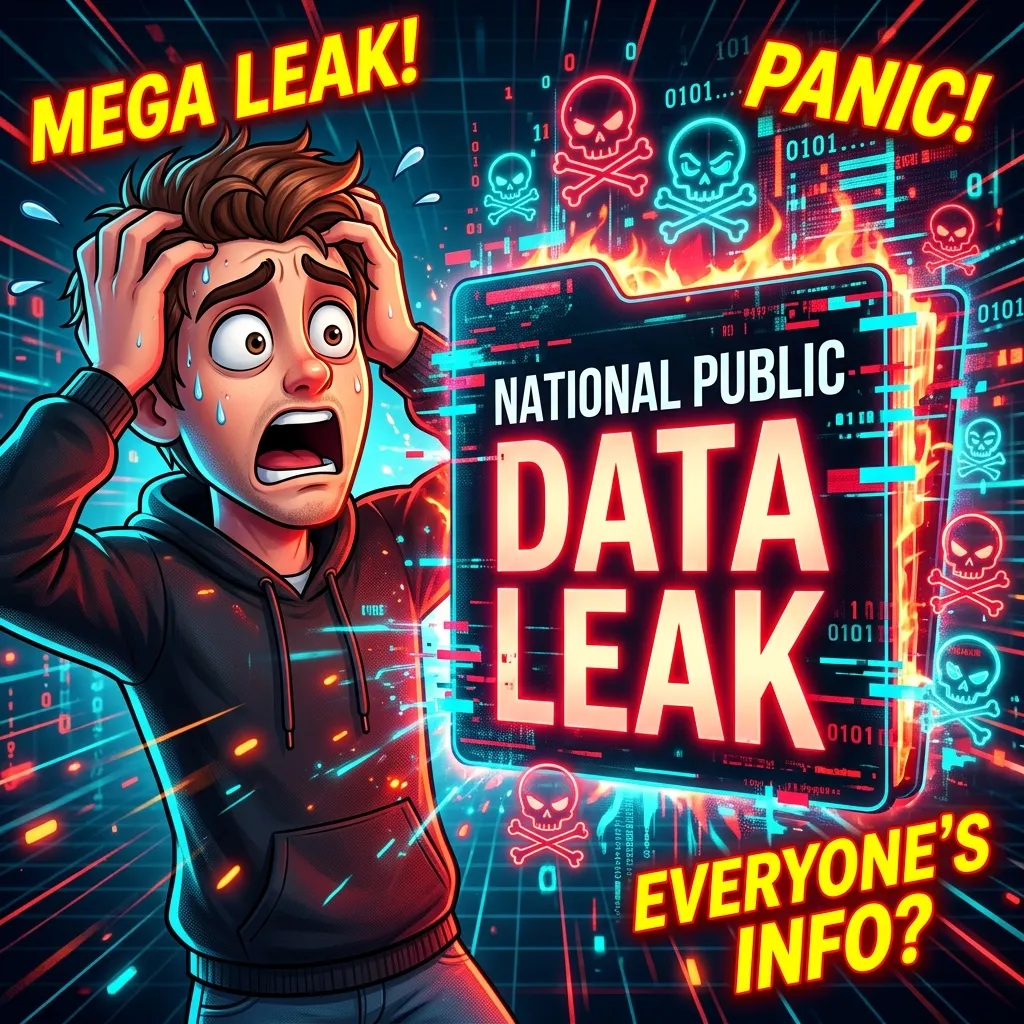
In what cybersecurity experts are calling one of the most severe privacy disasters of the decade, a data broker known as National Public Data (NPD) suffered a catastrophic breach. A cybercriminal group operating under the alias USDoD successfully exfiltrated and leaked an unencrypted database containing 2.9 billion records.
Why This Breach is Different
Most data breaches involve a specific website where you created an account, like Ticketmaster or Yahoo. You can usually fix the problem by changing your password. The National Public Data breach is fundamentally different.
NPD operates in the shadows as a background check company. They scrape billions of public and non-public records from court documents, state databases, and other data brokers. You never agreed to give them your data, yet they compiled a massive dossier on you. Because of the nature of background checks, the leaked data includes:
- ✓ Social Security Numbers (SSNs)
- ✓ Decades of Historical Physical Addresses
- ✓ Full Legal Names (including maiden names)
- ✓ Familial Relationships and Relatives
⚠️ The Identity Theft Threat
With your full name, current and past addresses, and your Social Security Number, criminals have everything they need to open credit cards, take out massive personal loans, or file fraudulent tax returns in your name.
How to Protect Yourself Right Now
1. Freeze Your Credit (Mandatory)
You cannot change your Social Security Number. The only way to stop someone from taking out a loan in your name is to initiate a security freeze with the three major credit bureaus: Equifax, Experian, and TransUnion. A freeze is free and prevents lenders from viewing your credit report, effectively blocking new loans.
2. Check Your Email Exposure
While NPD primarily leaked background check data, criminals combine this data with emails found in other breaches to launch highly targeted phishing attacks. Use our real-time scanner to see exactly what other databases your email has appeared in.
Check My Email Now3. Beware of Targeted Scams
Because the leak includes information about your family members, expect scammers to use this to build trust. Be extremely skeptical of phone calls or text messages from people claiming to be your bank, the IRS, or even family members asking for money.
Identity theft can ruin your financial future. We highly recommend investing in dedicated identity theft protection services if you suspect your SSN has been compromised.